

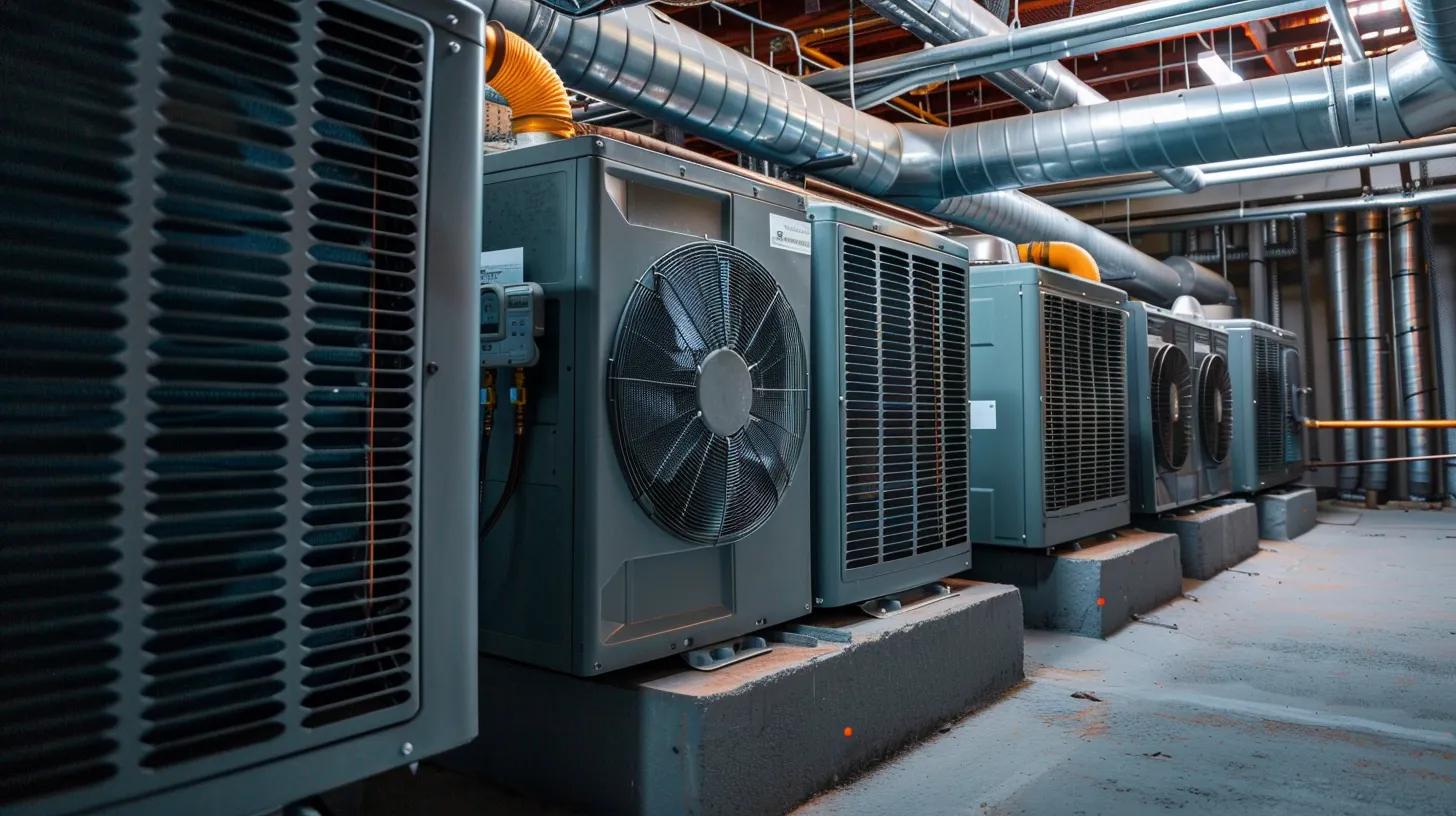
How Proper HVAC Installation Boosts Energy Efficiency and Home Comfort
Getting your HVAC system installed the right way is not just a recommendation; it’s a critical investment that profoundly impacts your home’s comfort, the longevity of your equipment, and your monthly energy expenditures. A meticulously executed installation can significantly reduce operating costs, minimize the frequency of costly repairs, and ensure your home maintains a consistent, comfortable temperature year-round. Below, we delve into the multifaceted benefits of proper HVAC installation, including substantial energy savings, extended equipment lifespan, optimized ductwork efficiency, and the compelling financial advantages. We’ll also explore how cutting-edge HVAC technologies perform optimally when correctly set up, and why choosing a trusted local expert like Climate Pro Heating and Cooling LLC makes a tangible difference for homes and businesses across the North Seattle, South Snohomish & the Greater East Side.
Why Is Proper HVAC Installation Crucial for Energy Savings?
A professionally installed HVAC system is engineered to operate precisely at its designed efficiency ratings. This means every component works in harmony, minimizing wasted energy, preventing unexpected spikes on your utility bill, and consistently delivering the precise level of comfort you anticipate. Without proper installation, even the most energy-efficient unit can underperform, leading to higher energy consumption and diminished comfort.
How Does Correct HVAC Sizing Impact Energy Consumption?
Right-sizing an HVAC unit is absolutely fundamental to its energy efficiency and overall performance. A unit that is too large for your home will frequently “short-cycle”—turning on and off too often. This not only wastes energy during startup and shutdown but also prevents the system from effectively dehumidifying your home, leading to clammy discomfort and increased wear on components. Conversely, an undersized unit will struggle to reach and maintain the desired temperature, running almost continuously without adequate relief, leading to premature component failure and constant discomfort. Proper load calculations, performed by experienced technicians, meticulously assess your home’s unique characteristics—such as square footage, insulation levels, window types, sun exposure, and local climate—to match the system’s capacity precisely to your home’s specific heating and cooling demands. This ensures the system operates efficiently, reliably, and cost-effectively.
What Are the Consequences of Improper HVAC Installation on Utility Bills?
The financial repercussions of incorrect HVAC installation can be significant and accumulate every single month. Common installation errors, such as leaky ductwork, an improper refrigerant charge, or uncalibrated controls, force the system to work considerably harder to achieve and maintain desired temperatures. Studies have consistently shown that poorly installed systems can waste a staggering 20–30% of energy, translating directly into higher utility bills for homeowners. Professional installation meticulously addresses these potential pitfalls, ensuring ducts are sealed, refrigerant levels are precise, and all components are correctly calibrated. This proactive approach prevents hidden energy losses, allowing your monthly bills to accurately reflect the real savings and efficiency benefits of your HVAC system, rather than covering for preventable operational inefficiencies.
How Does Professional HVAC Installation Enhance System Longevity?
Investing in quality installation is a direct investment in the lifespan of your HVAC system. Meticulous attention to detail during the initial setup significantly reduces premature wear and tear on components and drastically cuts down on avoidable failures. This upfront precision pays substantial dividends over the years, resulting in more reliable operation, fewer unexpected breakdowns, and a considerable reduction in emergency repair calls, ultimately extending the useful life of your expensive equipment.
In What Ways Does Expert Installation Prevent Common HVAC Problems?
Experienced HVAC technicians adhere to a rigorous set of best practices that are crucial for preventing a host of common problems. This includes ensuring correct refrigerant levels, which are vital for efficient heat transfer and compressor health; balancing airflow throughout the ductwork to prevent hot and cold spots and reduce strain on the fan motor; making tight and secure electrical connections to prevent shorts and component damage; and securely mounting all indoor and outdoor units to minimize vibration and noise. By meticulously following these steps, professionals significantly lower the chance of issues like refrigerant leaks, airflow restrictions, frozen coils, and electrical faults—all of which are notorious for leading to premature breakdowns, diminished performance, and higher repair bills over the system’s operational life.
How Does Proper Installation Protect Your HVAC Warranty and Investment?
A crucial, yet often overlooked, aspect of professional HVAC installation is its role in safeguarding your manufacturer’s warranty. The vast majority of HVAC manufacturers stipulate that their equipment must be installed by a certified and licensed professional to keep the warranty valid. An improper or DIY installation can immediately void this coverage, leaving you entirely responsible for the full cost of repairs that would otherwise be covered by the manufacturer. Choosing a reputable and certified installer like Climate Pro Heating and Cooling LLC not only ensures the system is installed correctly but also provides peace of mind that your warranty remains intact, thereby protecting your significant long-term investment in home comfort and efficiency.
What Are the Long-Term Financial Benefits of Proper HVAC Installation?
While a professional HVAC installation may represent a higher upfront cost compared to a subpar job, this initial investment typically yields substantial returns over the system’s lifespan. These returns manifest through consistently lower monthly utility bills, a dramatic reduction in the frequency and cost of repairs, and a significantly extended equipment life. Over time, these cumulative savings and benefits far outweigh the initial expenditure, making professional installation a financially astute decision for any homeowner.
How Can Professional Installation Lead to Significant Energy Bill Savings?
A professionally installed and meticulously tuned HVAC system is optimized to use the least amount of energy necessary to achieve and maintain your desired indoor temperatures. This precision tuning includes calibrating thermostats, balancing airflow, and ensuring all components are operating within manufacturer specifications. Homeowners frequently report seeing savings of several hundred dollars annually on their energy bills, which can amount to thousands over the system’s 10-15 year lifespan. Furthermore, many high-efficiency systems, when installed by certified professionals, are eligible for various federal, state, and local utility rebates and incentives, further improving the payback period and making the upgrade even more financially attractive.
What Is the Return on Investment for High-Quality HVAC Installation?
Beyond the immediate energy savings, a high-quality HVAC installation contributes to a robust return on investment (ROI) for your home. Through reduced energy consumption, minimized repair costs, and an extended system lifespan, homeowners can expect an estimated ROI in the range of 10–20%. This financial benefit is further amplified by an improved home value; a modern, energy-efficient, and professionally installed HVAC system is a significant selling point for prospective buyers, signaling a well-maintained and comfortable property. The peace of mind that comes with reliable comfort and lower operating costs also adds intangible value that enhances your quality of life at home.
How Do Advanced HVAC Technologies Improve Efficiency and Comfort When Properly Installed?
Modern HVAC systems are marvels of engineering, incorporating sophisticated controls, variable-speed components, and smart features designed for unparalleled efficiency and comfort. However, these advanced technologies can only deliver their full potential when they are meticulously integrated, calibrated, and commissioned during the installation process. A professional installation ensures that all smart features and variable-speed components communicate effectively and operate in perfect synergy, unlocking their maximum benefits.
What Are the Benefits of Integrating Smart Thermostats and Variable-Speed Systems?
The synergy between smart thermostats and variable-speed HVAC systems represents the pinnacle of modern home comfort and efficiency. Smart thermostats leverage advanced algorithms to learn your household’s routines, automatically adjusting setpoints to minimize wasted runtime and optimize energy use. Features like geofencing, remote access via smartphone, and detailed energy reports empower homeowners with unprecedented control. Variable-speed systems, on the other hand, can modulate their output precisely to match the exact heating or cooling demand, rather than simply cycling on and off at full power. Together, they provide incredibly steady temperatures with minimal fluctuations, significantly quieter operation, superior humidity control, and dramatically lower energy consumption, creating an environment of consistent, personalized comfort.
How Do Heat Pumps and Energy-Efficient Systems Enhance Indoor Air Quality?
Modern heat pumps and other high-efficiency HVAC systems play a crucial role in enhancing indoor air quality (IAQ) beyond just temperature control. These systems are highly effective at managing indoor humidity levels, which is vital for preventing the growth of mold, mildew, and dust mites—common allergens and irritants. Furthermore, many energy-efficient systems are designed to seamlessly integrate with advanced air filtration technologies, such as high-MERV (Minimum Efficiency Reporting Value) filters, UV-C lights, and whole-home air purifiers. When properly installed and maintained, these integrated systems can capture a wide range of airborne contaminants, including dust, pollen, pet dander, bacteria, viruses, and volatile organic compounds (VOCs), ensuring the air you breathe indoors is significantly cleaner and healthier year-round.
Why Choose Climate Pro Heating and Cooling LLC for Your HVAC Installation Needs?
Selecting the right HVAC installer is just as critical as choosing the right equipment itself. At Climate Pro Heating and Cooling LLC, we understand that every home and business has unique needs. We bring extensive local experience, provide tailored recommendations, and commit to a standard of workmanship focused on delivering lasting performance, efficiency, and comfort for our clients.
What Makes Climate Pro’s Installation Services Trusted by Homeowners and Businesses?
Homeowners and businesses across the North Seattle, South Snohomish & the Greater East Side consistently place their trust in Climate Pro Heating and Cooling LLC because we steadfastly avoid one-size-fits-all fixes. Our reputation is built on a foundation of thoughtful, meticulous installations, transparent communication, and unwavering follow-through. Our certified technicians are not only highly skilled but also committed to adhering to the highest industry standards and manufacturer specifications. We take the time to explain the installation process, answer all your questions, and ensure you understand how to operate your new system effectively. Our dedication extends beyond installation, offering post-installation checks and comprehensive maintenance plans that keep your systems running efficiently, reliably, and safely season after season, solidifying our commitment to your long-term satisfaction.
Frequently Asked Questions
What should I consider when choosing an HVAC system for my home?
When selecting an HVAC system, consider several key factors: your home’s total square footage, insulation quality, window efficiency, local climate conditions, and your budget. While efficiency ratings like SEER (Seasonal Energy Efficiency Ratio) are important, correct sizing based on a professional load calculation and proper installation are equally, if not more, critical. Always consult with a qualified HVAC professional to ensure you get a system that perfectly fits your home’s unique needs, rather than simply opting for the highest number on a spec sheet.
How often should I schedule maintenance for my HVAC system?
Regular maintenance is essential for keeping your HVAC system operating at peak efficiency and reliability. We recommend scheduling professional maintenance at least once annually. Ideally, two check-ups per year—one before the heating season (fall) and another before the cooling season (spring)—are best. Routine service allows technicians to identify and address small issues early, prevent major breakdowns, optimize performance, and helps preserve your manufacturer’s warranty coverage.
What are the signs that my HVAC system needs repair?
Be vigilant for common warning signs that indicate your HVAC system may require repair. These include strange noises (grinding, squealing, banging), uneven temperatures across different rooms, a noticeable increase in energy bills without a change in usage, weak or inconsistent airflow, frequent short cycling (the system turning on and off too often), or unusual odors (musty, burning, or electrical smells). Addressing these early warning signs promptly by calling a professional can prevent a minor problem from escalating into a costly major repair.
Can I install an HVAC system myself, or should I hire a professional?
Attempting a DIY HVAC installation is highly risky and strongly discouraged. Proper installation requires specialized tools, in-depth knowledge of local building codes, and system-specific expertise in electrical, refrigeration, and airflow dynamics. Mistakes can lead to significantly reduced efficiency, voided manufacturer warranties, and serious safety hazards, including refrigerant leaks or electrical fires. Hiring a certified, licensed, and insured HVAC technician ensures the job is done correctly, safely, and in compliance with all regulations, protecting your investment and your home.
What are the benefits of upgrading to a high-efficiency HVAC system?
Upgrading to a high-efficiency HVAC system offers numerous benefits. You can expect significantly lower monthly energy costs due to reduced energy consumption, improved temperature control with more consistent heating and cooling, and often quieter operation. High-efficiency models also typically have a smaller environmental footprint. Furthermore, many high-efficiency systems qualify for various government and utility rebates or tax credits, making the initial investment more affordable and accelerating your return on investment over time.
How can I improve the energy efficiency of my existing HVAC system?
To enhance the energy efficiency of your existing HVAC system, start with regular, proactive maintenance: consistently change air filters, ensure outdoor coils are clean, and have your ductwork inspected and sealed for leaks. Beyond the system itself, improve your home’s insulation and weatherproofing, and consider upgrading to a programmable or smart thermostat for optimized scheduling. Even upgrading specific components like a fan motor or thermostat can provide a noticeable boost in efficiency without requiring a full system replacement.
Conclusion
The importance of proper HVAC installation cannot be overstated; it is the foundational element that ensures your system delivers optimal comfort, achieves maximum energy efficiency, and provides years of reliable, trouble-free operation. Professional installation safeguards your investment, extends equipment life, and keeps your warranty protections intact, ultimately saving you money and preventing future headaches. For tailored, reliable, and expert HVAC installations in the North Seattle, South Snohomish & the Greater East Side, Climate Pro Heating and Cooling LLC stands as a trusted partner, delivering practical solutions backed by extensive local expertise. Ready to transform your home into a more comfortable and energy-efficient sanctuary? We invite you to explore our comprehensive HVAC installation services today and experience the Climate Pro difference.
